What Is SOGLIA™?

In Italian, soglia means threshold, or the place of entering or beginning. We think of it as an open door that welcomes those that are “clinical trial curious” and supports them on a path to becoming “clinical trial confident”

SOGLIA Is Different by Design

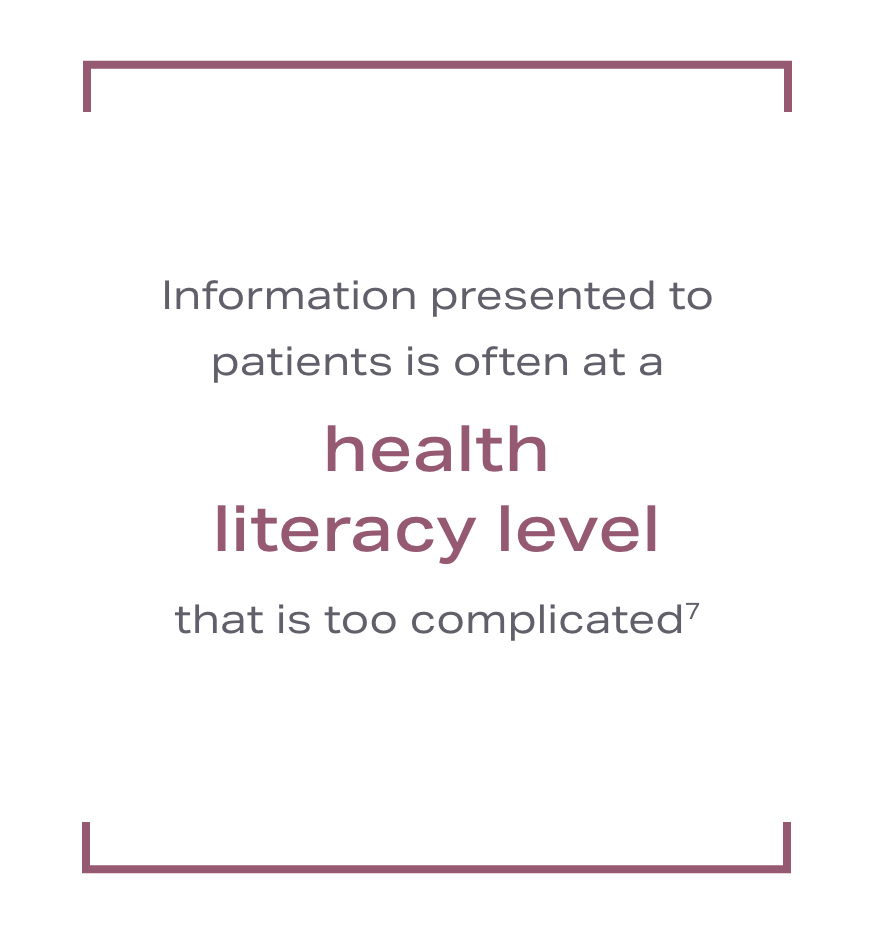
Finding a clinical trial is challenging. A complicated design, coupled with unfamiliar terms creates confusion and leaves patients feeling helpless. SOGLIA is different

As a PXO, we focus on the emotionally intelligent moments that matter. Grounded in human-centered design, we balance the physical and emotional needs of patients with your business requirements.

Through SOGLIA, patients are empowered with the necessary information to make decisions with confidence.
By connecting those who are considering a trial with those who have walked the path before them, we quite literally help them cross the clinical trial threshold.
How SOGLIA Can Support Your Clinical Trials

  • Ensure participants are well-informed and “clinical trial ready”
  • Alleviate site burden and prioritize patient follow up
  • Support sites with better quality potential study participants
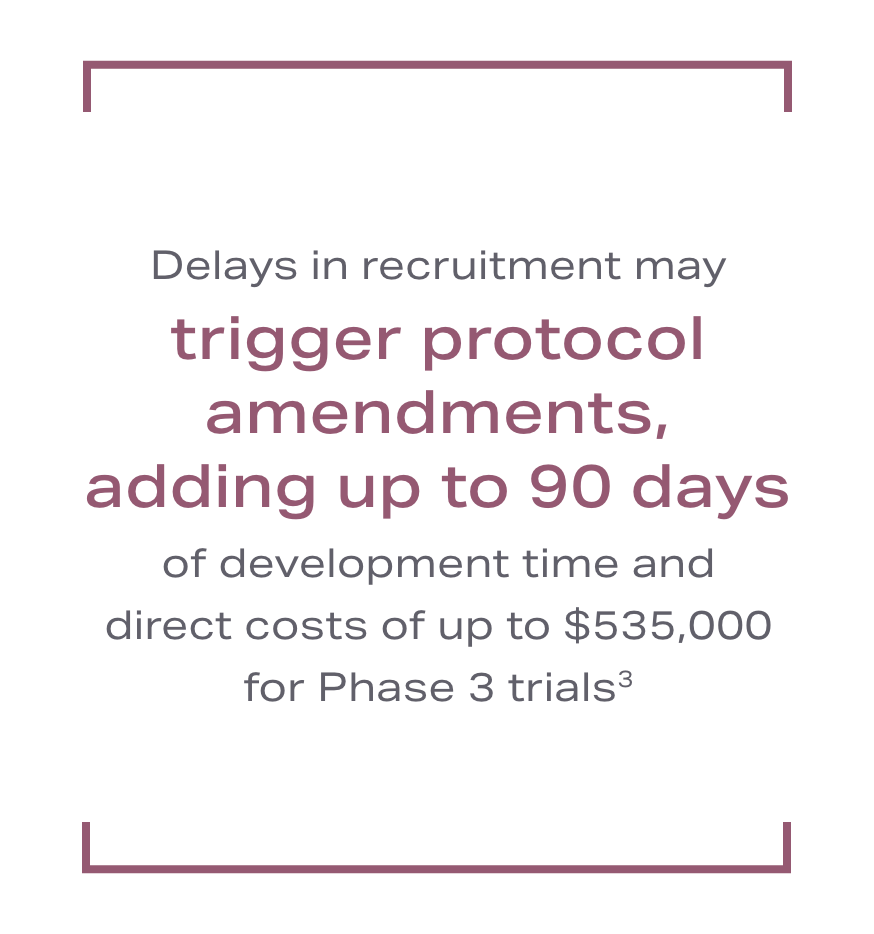
  • Reduce the need for costly protocol amendments and delays
  • Expedite recruitment and enrollment timelines

Patient Enrollment Is the Linchpin of Clinical Trials

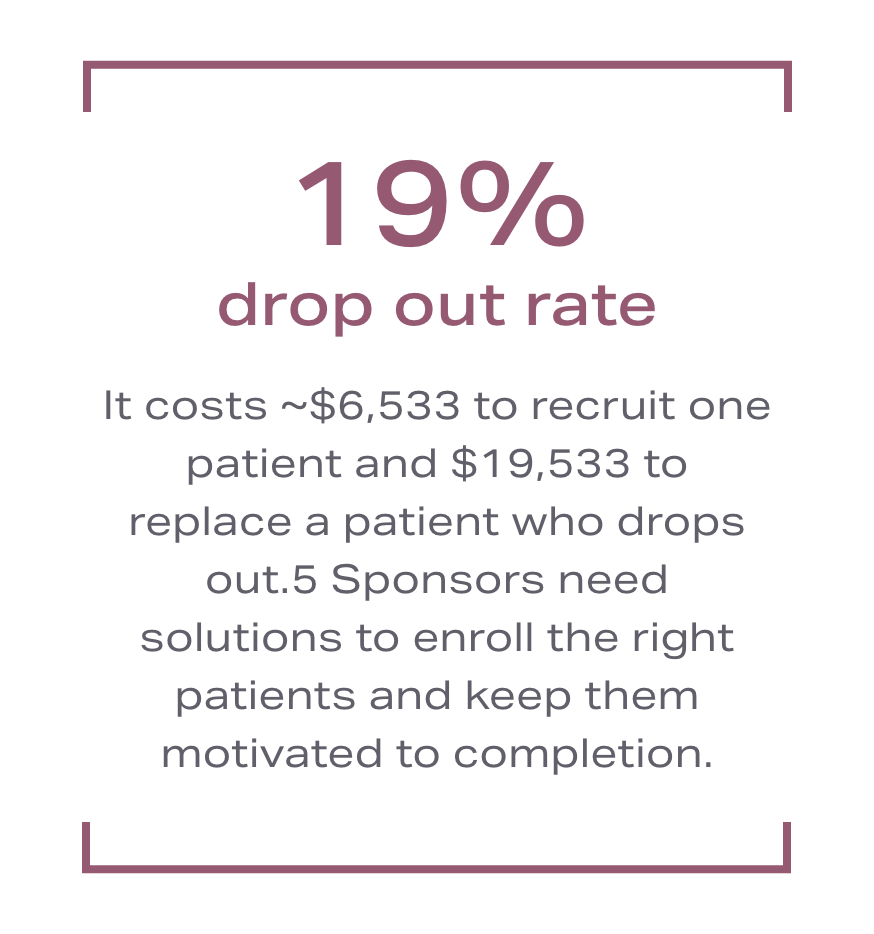
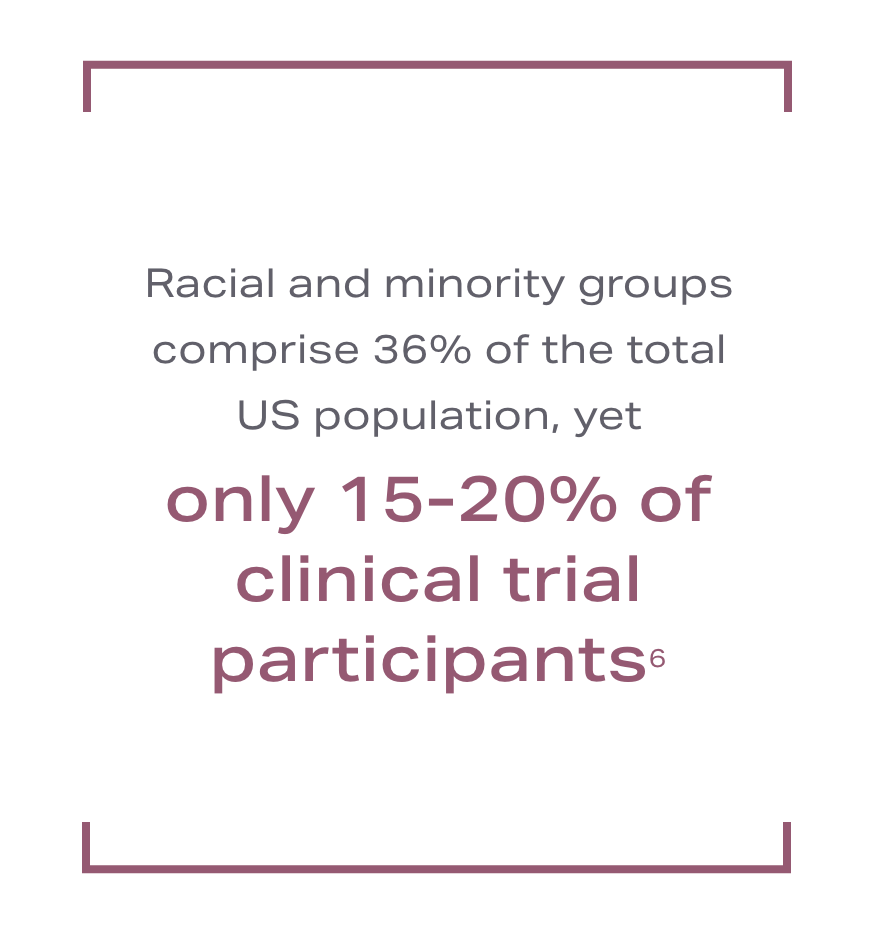
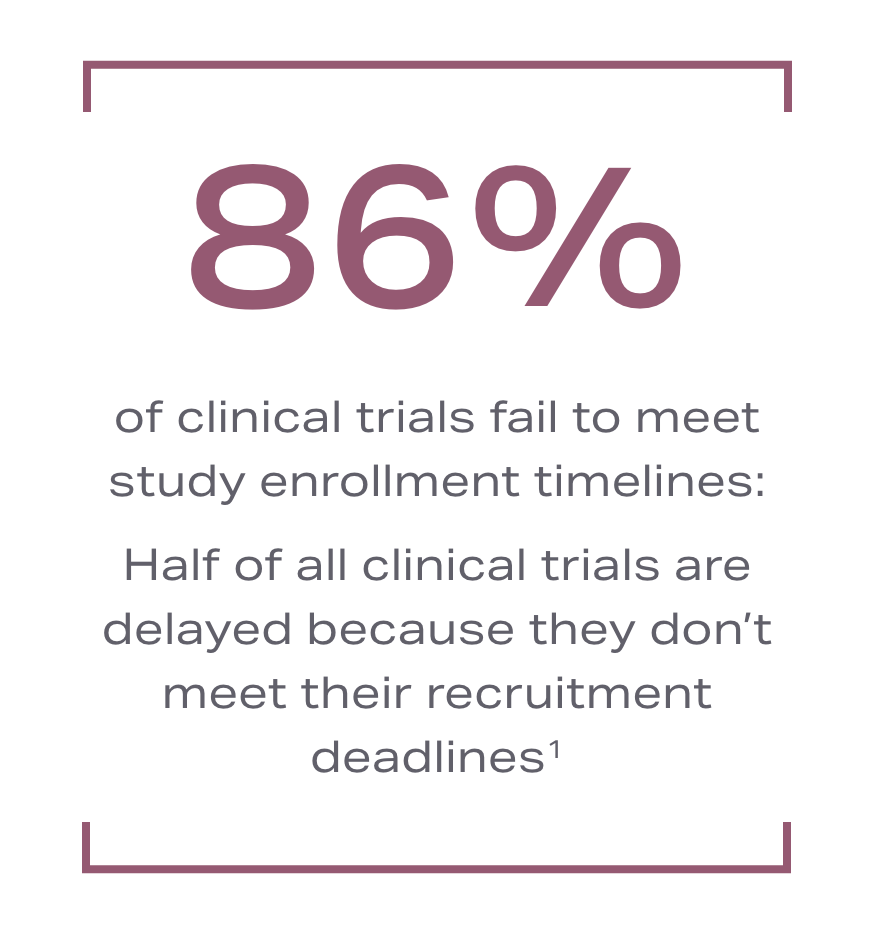
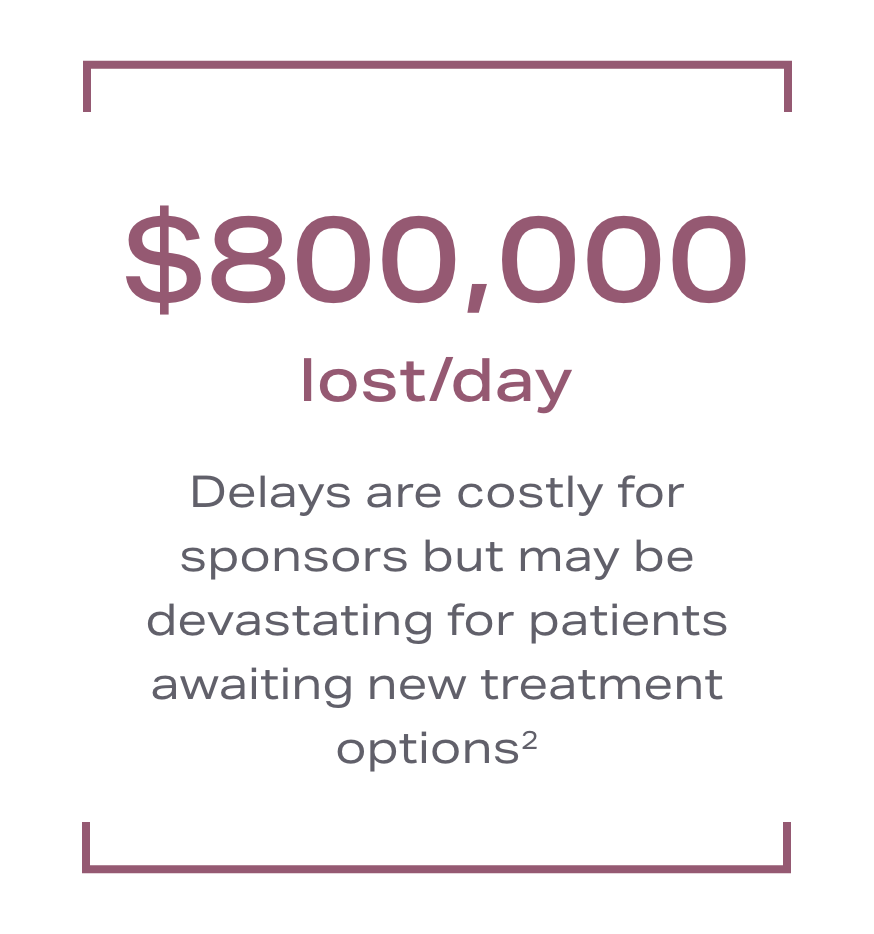
Industry has long been aware of the historical challenges with enrolling patients in clinical trials. However, even with new technology, platforms, and services, this remains problematic, creating significant financial impacts in the industry.

Image 1
Image 2
Image 3
Image 4
Image 5
Image 6

The current system is stacked against patients. They are often left feeling frustrated with delayed response times, unanswered questions and unfamiliar terms. Feeling uncertain and unclear, they are less likely to move forward in the recruitment process. Other patients are left wondering, “is this for me”? They may enroll but are more apt to drop out.

Without a radical change in strategy, the industry will continue to endure costly enrollment delays and patients will be forced to wait for potentially life-changing and life-saving therapies.

We found a better way.

With borrowed brilliance and some of the best practices in our industry, we sought to create one unifying experience. By ensuring the right patients show up and are well prepared to follow through, we can support patients on the path to becoming clinical trial confident.

SOGLIA was developed by people like you who have been in this industry for years and are committed to create meaningful change in the recruitment and enrollment process.

Do you know the top reasons why people don't enroll in clinical trials?

Our "WHY"

We believe that all patients deserve the hope of clinical study participation. Recognizing that the clinical trial landscape can often be overwhelming and confusing, SOGLIA exists to create a human centered patient experience to support the clinically curious on a path to becoming “clinical trial confident.”

Stay in the know

We believe that good ideas should be shared and celebrated. If our Moonshot of impacting the lives of 100,000,000 patients is something that inspires you, we’d love to stay in touch.

Share your details below:

If you have any other questions or comments, please email us at Soglia@thinkentrada.com

PXOlogo

About ENTRADA

As a Patient Experience Organization (PXO), our perspective elevates the clinical trial experience. We are human-centered designers that care about patients as people, not as prospects or customers. This means taking a human-centered and not brand- or company-centric approach to your trial engagement and retention strategy.

References

  1. Huang GD, Bull J, Johnston McKee K, Mahon E, Harper B, Roberts JN; CTTI Recruitment Project Team. Clinical trials recruitment planning: a proposed framework from the Clinical Trials Transformation Initiative. Contemporary Clinical Trials (2018). Retrieved from https://pubmed.ncbi.nlm.nih.gov/29330082/
  2. Smith, Z., DiMasi, J., & Getz, K. New estimates on the cost of a delay day in drug development. Therapeutic Innovation & Regulatory Science (2024). Retrieved from https://doi.org/10.1007/s43441-024-00667-w
  3. Levitan B, Getz K, DiMasi J. Assessing the financial value of patient engagement: a quantitative approach from CTTI’s patient groups and clinical trials project. Therapeutic Innovation & Regulatory Science (2017). Retrieved from https://journals.sagepub.com/doi/full/10.1177/2168479017716715
  4. Getz, K. Can recruitment and retention get any worse? Applied Clinical Trials (2019). Retrieved from https://www.appliedclinicaltrialsonline.com/view/can-recruitment-and-retention-get-any-worse
  5. Moore TJ, Zhang H, Anderson G, Alexander GC. Estimated costs of pivotal trials for novel therapeutic agents approved by the US Food and Drug Administration. JAMA Internal Medicine (2018). Retrieved from https://pubmed.ncbi.nlm.nih.gov/30264133/
  6. Turner BE, Steinberg JR, Weeks BT, Rodriguez F, Cullen MR. Race/ethnicity reporting and representation in US clinical trials: A cohort study. Lancet Regional Health Americas (2022). Retrieved from https://pubmed.ncbi.nlm.nih.gov/35875251/
  7. Al Shamsi H, Almutairi AG, Al Mashrafi S, Al Kalbani T. Implications of language barriers for healthcare: a systematic review. Oman Medical Journal (2020). Retrieved from https://www.ncbi.nlm.nih.gov/pmc/articles/PMC7201401/

©2024 ENTRADA Ventures Group. All Rights Reserved. Privary Policy